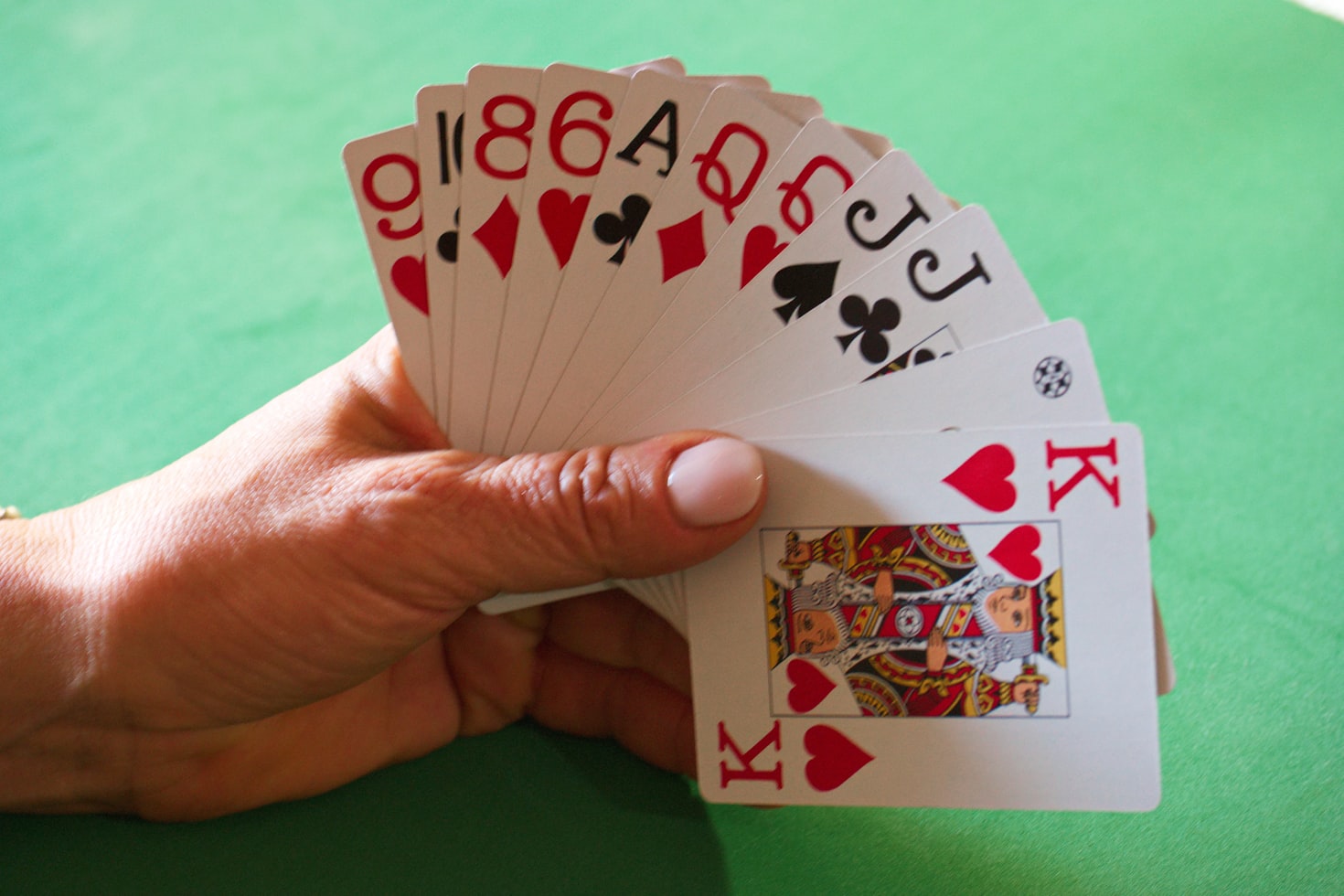
Exploring the psychological effects of gambling on decision-making behavior
Exploring the psychological effects of gambling on decision-making behavior
The Nature of Gambling and Its Psychological Impact
Gambling is often perceived as a recreational activity, but its psychological effects can be profound. Many individuals gamble for the thrill, and they may find the best aussie online casino offers a wide range of games, but this excitement can lead to distorted thinking patterns. The anticipation of winning activates the brain’s reward system, releasing dopamine and creating feelings of pleasure. This can lead to increased risk-taking behavior, as the excitement associated with gambling can cloud rational decision-making.

Furthermore, individuals often develop cognitive biases that influence their gambling behavior. For instance, the “illusion of control” leads players to believe they can influence outcomes in games of chance. This mindset can escalate gambling activities, causing individuals to make poor decisions in hopes of recouping losses or achieving greater wins.
The Role of Emotions in Gambling Decisions
Emotions play a critical role in gambling decisions. Players often experience a range of feelings, from euphoria during wins to despair following losses. These emotional fluctuations can lead to impulsive decisions, as individuals may chase losses or bet more aggressively when feeling fortunate. Such emotional responses can skew judgment, leading to a cycle of repetitive gambling behavior.
Furthermore, the interplay between emotions and decision-making can lead to a lack of self-control. Players may become desensitized to the consequences of their actions, prioritizing short-term excitement over long-term well-being. This emotional rollercoaster can significantly affect one’s ability to make sound, rational choices when gambling.
The Influence of Social Factors on Gambling Behavior
Social influences significantly impact gambling behaviors and decisions. Peer pressure and social norms can encourage gambling, making it seem more acceptable or even desirable. For instance, individuals may be more likely to gamble when surrounded by friends or in a social setting that promotes such activities. This collective behavior can create an environment where poor decision-making becomes normalized.
Additionally, the rise of online gambling has created new social dynamics. Players may engage in gambling to connect with others in virtual communities, often leading to increased betting activity. The online environment can amplify social influences, as individuals may feel compelled to gamble in order to fit in, further complicating their decision-making processes.
The Risk of Gambling Addiction and Its Consequences
Gambling addiction is a serious concern that can arise from the psychological effects of gambling on decision-making behavior. Compulsive gambling is characterized by an inability to resist the urge to gamble, often resulting in significant personal and financial consequences. Individuals struggling with this addiction may prioritize gambling over important life responsibilities, such as work or family.
The consequences of gambling addiction extend beyond the individual, affecting relationships and communities. Families may experience stress and instability due to financial hardships caused by a loved one’s gambling habits. Recognizing the signs of addiction is crucial, as early intervention can help mitigate its psychological effects and promote healthier decision-making.

Raising Awareness and Seeking Help
Awareness of the psychological effects of gambling is essential for promoting responsible gaming. Educational resources and support networks can empower individuals to make informed decisions regarding gambling. Understanding the psychological mechanisms at play can help players recognize when their behaviors are becoming problematic.
For those struggling with gambling addiction, seeking professional help is vital. Numerous organizations and resources offer support to individuals and their families. By addressing the psychological factors influencing gambling decisions, individuals can regain control over their behavior and work towards healthier habits.